PRP Facial Benefits for Smoother, Brighter Skin

If your skin looks tired even when you are not, that usually shows up first in the mirror as dullness, uneven texture, and a loss of that healthy bounce. That is why so many clients ask about prp facial benefits. They want improvement that looks believable - fresher skin, softer lines, and a more refined texture - without looking treated.
A PRP facial appeals to people who want skin rejuvenation that works with the body rather than masking the skin’s condition. It is a treatment built around your own platelet-rich plasma, which is used to support repair and renewal after controlled skin stimulation. The result is not instant like makeup or filler. It is gradual, more subtle, and often more satisfying for clients who care about natural-looking results.
What makes PRP different
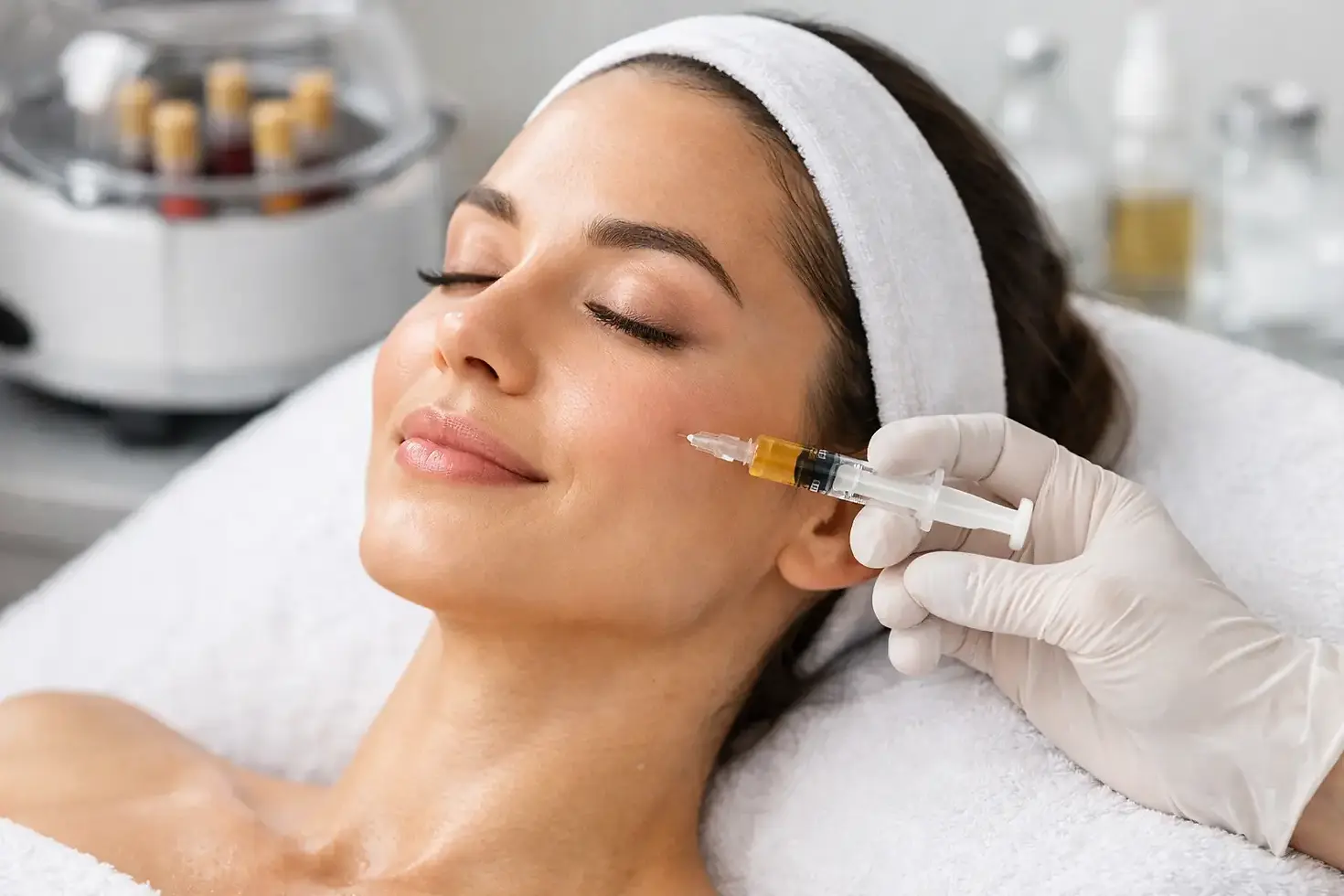
PRP stands for platelet-rich plasma. A small sample of your blood is processed to concentrate the platelets, which contain growth factors involved in healing. In aesthetic treatments, that plasma is typically paired with microneedling or applied in a way that encourages deeper skin rejuvenation.
What makes this different from a standard facial is that it is not simply about surface hydration or temporary glow. The goal is to improve the quality of the skin itself. That may mean a smoother feel, more even tone, softer fine lines, and a healthier overall appearance over time.
For many clients, the appeal is simple. It is a regenerative treatment that fits well with a more refined, less overdone approach to aesthetics.
The most noticeable PRP facial benefits
The most talked-about PRP facial benefits tend to be the ones clients see in everyday lighting, not just under perfect conditions. Skin often looks brighter, feels smoother, and reflects light better. That can make the face appear more rested even before anyone can point to a specific change.
Texture improvement is one of the biggest reasons people choose PRP. Roughness, early acne scarring, and crepey areas can soften with a series of treatments. Fine lines may look less pronounced as the skin becomes healthier and more resilient.
Tone is another major benefit. Clients dealing with dullness or mild unevenness often notice a more refreshed appearance as the skin renews itself. This does not mean PRP replaces targeted pigment treatment in every case. If discoloration is significant, a broader plan may be more appropriate. But for overall revitalization, PRP can make the complexion look more even and alive.
There is also a quality change that is harder to describe but easy to recognize. Skin can look stronger, less fatigued, and more naturally radiant. That matters to clients who want compliments like you look great, not questions about what they had done.
How PRP supports collagen and skin renewal
One reason PRP remains popular is its connection to collagen support. Collagen is a key structural protein that helps skin stay firm and smooth. As collagen declines with age, the skin can begin to show fine lines, laxity, and a thinner, less elastic texture.
A PRP facial can help encourage the skin’s natural renewal process, especially when combined with microneedling. The microneedling creates controlled micro-injuries in the skin, and the PRP is then used to enhance that repair response. This combination is often chosen because it addresses both surface texture and deeper skin quality.
That said, expectations should stay realistic. PRP is not a surgical treatment, and it does not create the same level of lift as procedures designed for significant laxity or volume loss. It works best when the goal is rejuvenation, not dramatic structural change.
Who tends to benefit most from a PRP facial
PRP can be a smart option for a wide range of skin concerns, but it tends to be especially appealing for clients who want to refresh their appearance with minimal disruption. Early signs of aging, post-acne texture irregularities, mild under-eye crepiness, and overall dullness are common reasons people consider it.
It also fits well for clients who are thoughtful about what goes into their treatment plan. Because PRP uses your own plasma, many people appreciate the personalized, biologically familiar aspect of the procedure.
The best candidates are usually those who understand that regenerative treatments take patience. If you want a softer, healthier, more polished look that builds over time, PRP often makes sense. If you want immediate volume or a fast correction for deeper folds, another treatment may be a better fit or part of a combined plan.
What the treatment experience is actually like
A PRP facial is usually more comfortable than people expect, especially when it is performed thoughtfully and with clear preparation. The appointment begins with a blood draw, followed by processing the sample to isolate the platelet-rich plasma. If microneedling is part of the treatment, the skin is cleansed and numbed first.
Once the PRP is prepared, it is applied during or after microneedling, depending on the treatment approach. Most clients describe the sensation as manageable. Afterward, the skin is commonly red and may feel warm or tight for a short period, similar to a moderate sunburn.
Downtime is typically limited, but it is still downtime. You may not want a major social event the same day. Some clients look presentable quickly, while others need a day or two before their skin feels fully settled. That depends on treatment intensity, individual sensitivity, and how the skin tends to recover.
For clients who value privacy and comfort, the setting matters too. Receiving advanced skin treatment in a calm, familiar environment can make the experience feel more relaxed and much less transactional.
When results show up and how long they last
One of the most important parts of setting expectations is timing. Some clients notice an early glow once the initial healing phase passes, but the more meaningful changes usually develop gradually. Collagen remodeling and skin renewal take time.
That means results are often seen over several weeks, with continued improvement after a series of treatments. Many providers recommend multiple sessions rather than viewing PRP as a one-time event. Maintenance can also help preserve results, especially if your goals include long-term texture and tone improvement.
How long the benefits last depends on your age, skin condition, lifestyle, and the rest of your skin plan. Sun exposure, smoking, sleep, stress, and skincare all play a role. PRP can support healthier skin, but it works best when it is part of a broader approach to caring for your skin well.
PRP facial benefits compared with other treatments
PRP sits in a useful middle ground. It is more clinically meaningful than a standard spa facial, but more gradual and subtle than treatments focused on instant correction. That is exactly why it appeals to many image-conscious adults who want to look refreshed without chasing obvious change.
Compared with filler, PRP does not replace lost volume in the same direct way. Compared with neuromodulators, it does not target muscle movement. Compared with more aggressive resurfacing treatments, it may involve less downtime but also a different pace of improvement.
This is where personalized care matters. Sometimes PRP is the right primary treatment. Other times, it works better as part of a layered plan that may include microneedling, injectables, or other regenerative options depending on the skin’s needs and your goals.
At StevEsthetics Skin Design, that customized approach is part of the point. The best aesthetic results rarely come from using the same treatment on everyone. They come from listening carefully, treating conservatively, and matching the plan to the person.
Is a PRP facial worth it?
For the right client, yes. A PRP facial is worth considering when your goal is better skin quality, not a dramatically different face. It can improve tone, texture, and overall radiance in a way that feels polished and natural.
It is also worth knowing when it may not be the best standalone answer. If your concerns are primarily deep wrinkles, significant laxity, or pronounced volume loss, PRP may help support the skin but not solve the full issue on its own. That does not make it less valuable. It simply means good treatment planning should be honest.
The real value of PRP is that it respects the skin. It works with your biology, builds gradually, and often leaves clients looking like themselves on a very good day. For people who want expert care, visible refinement, and results that feel authentic, that is often exactly the right kind of luxury.


Comments